

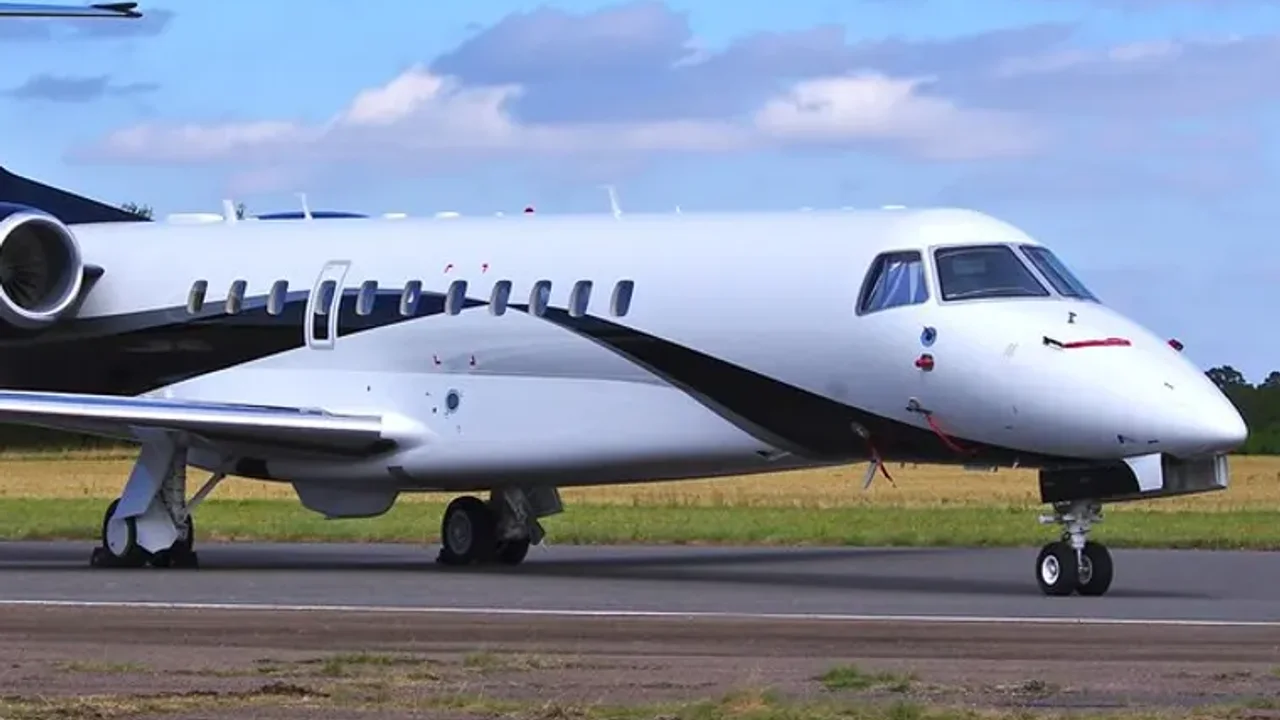
Sports teams charter flights to travel on their own schedule, fly out right after games and keep players, staff and equipment together. A team of up to about 16 people can fly on one heavy business jet. Larger squads split across several jets or charter a regional jet or airliner, which is flown by an airline under different FAA rules.
Key takeaways
- Up to about 16 people: one heavy jet usually works.
- Larger travel parties: several business jets or one airliner charter.
- Equipment is often the limit, not seats. Send the operator a full kit list with weights.
- Late departures need planning for airport curfews, FBO hours and crew duty limits.
- Book early for tournaments and playoffs, when charter demand peaks.
Who charters team flights?
Teams at almost every level. Charter is common for:
- College and university teams, especially when road trips involve small airports or tight schedules between classes and games.
- Minor league and professional teams, from small staffs flying on business jets to full rosters on airliners.
- Youth and club teams traveling to national tournaments, often with families on separate flights.
- Individual athletes such as golfers, tennis players and racing drivers, who fly with coaches, trainers and equipment.
Professional leagues often charter airliners for whole teams. The WNBA, for example, runs a league-wide charter program with Delta for its teams' regular season and playoff travel.
Business jet, several jets or an airliner?
The size of the travel party decides. Count everyone: players, coaches, medical and equipment staff, media and support.
| Travel party | Usual option | Notes |
|---|---|---|
| Up to about 9 | Super midsize jet | Coaches with a small squad, or individual athletes and staff |
| About 10 to 16 | Heavy jet | Basketball or golf-size parties with staff |
| About 17 to 30 | Two heavy jets, or a regional jet | Compare cost, timing and baggage both ways |
| More than 30 | Airliner charter | Flown by an airline under Part 121 |
Under FAA definitions in 14 CFR 119.3, on-demand charter operations are limited to airplanes with 30 or fewer passenger seats and a payload capacity of 7,500 pounds or less. Larger aircraft are flown by airlines under the more demanding Part 121 rules. Our guide to event and group aircraft charters explains how to split a group across several jets and when an airliner makes sense.
How much does a team charter cost?
Estimated totals for typical team trips, using the same method as our charter flight cost calculator, including landing and handling fees, crew overnights and US taxes and segment fees:
| Trip | Aircraft | Estimated total | Per person |
|---|---|---|---|
| 400 nm each way, 8 people, 1 night away | Super midsize jet | $30,500–$47,400 | $3,800–$5,900 |
| 600 nm one way, 14 people | Heavy jet | $25,200–$48,700 | $1,800–$3,500 |
| 600 nm each way, 14 people, 1 night away | Heavy jet | $39,800–$63,100 | $2,800–$4,500 |
| 600 nm each way, 26 people, 1 night away | Two heavy jets | $79,600–$126,200 | $3,100–$4,900 |
One-way prices include the aircraft's empty return. On multi-day trips, many operators bill a minimum of about two flight hours per day, which is why a short round trip with a night away can cost more than the flying time alone. Airliner charters are priced per trip and depend heavily on aircraft availability, so ask for quotes early.
For a season of road trips, ask about pricing for a block of flights. Combining trips can reduce repositioning, which is one of the biggest costs in team travel; see charter fees explained.
Equipment, baggage and weight
Equipment is often harder to fit than people. Business jets have limited hold space, and every aircraft has weight limits that also depend on fuel, distance and runway.
- Send a full kit list with the number of bags, sizes and estimated weights when you request quotes.
- Bulky sports such as hockey, baseball, lacrosse and golf need the most space. Larger heavy jets with big holds help.
- Ship what you can. Spare uniforms, training equipment and merchandise can travel by truck or cargo.
- Medical kit and supplies should stay accessible in the cabin.
- Batteries and devices: spare lithium batteries, power banks and some electronic training equipment must travel in the cabin under dangerous goods rules.
Our guide to private jet baggage limits explains how space and weight are checked.
Timing around games
Charter lets a team leave soon after the final whistle, but late nights need planning.
- Airport curfews and noise rules. Some airports restrict operations at night. San Jose, for example, has curfew hours, as our guide to private jet airports near San Francisco explains.
- FBO hours. Not every private terminal is open around the clock. Arrange after-hours service in advance.
- Crew duty limits. Charter crews have limits on flight time and duty, so a long day of positioning, waiting and flying may need a fresh crew; plan the schedule with the operator.
- Weather. Winter games can mean de-icing and delays; build slack before the next practice or game.
- Event traffic. Big games and tournaments can bring airport reservation programs and full ramps; see private jet charter for major events.
Crew duty limits on game days
Team schedules can push against FAA crew limits. Under 14 CFR 135.267, a two-pilot crew on an unscheduled charter may not fly more than 10 hours in 24 hours and needs at least 10 consecutive hours of rest in the 24 hours before the assignment ends. A long day that includes waiting through a game can also run into the crew's duty-period limits, so the operator plans around the whole day, not just the flying.
For a typical road trip, that means:
- Overnight trips are straightforward: the crew rests at the hotel while the team plays.
- Same-day out-and-back trips with a long game in between may need a fresh crew or a later return.
- Back-to-back road games need a schedule that gives the crew legal rest between flights.
Share the full itinerary, including game times, so the operator can plan crews before quoting.
Families, fans and supporters
Plan separate flights for supporters. A private charter is booked by one customer for its own invited passengers; seats on it cannot be sold to the public. If families, boosters or fans want to travel, the usual approach is a separate charter booked and paid for by a sponsor, booster club or family group, or commercial flights.
Keep the team's aircraft for players and staff where possible. It keeps the travel party compact, helps with weight and baggage, and makes the schedule easier to manage.
International games and tournaments
Cross-border trips add paperwork. Every member of the travel party needs a valid passport, and the operator must file passenger details with border authorities before departure. Equipment such as team kit, medical supplies and medications may need to be declared at customs. Arrive with time to clear customs before training, and check whether the destination airport has customs at the time you land. Our guide to international private jet travel covers the process.
Questions to ask the operator
- Which aircraft and how many? Ask for the specific aircraft, seat count and hold size.
- What weight can we carry on this route with our travel party and equipment?
- What crew is planned for our schedule, and what happens if a game runs late?
- Which airports and FBOs will we use, and are they open at our planned times?
- What does the quote include, such as catering, de-icing, crew overnights and taxes?
Planning a team charter
- Confirm the travel party and the full schedule for the season or tournament.
- List equipment with sizes and weights.
- Pick airports close to venues and hotels, and check curfews and FBO hours.
- Get quotes for options: one large aircraft, several jets, or an airliner.
- Agree on catering that fits training plans; see private jet catering.
- Check the operator. Each quote should name the certificated operator; see how to verify a Part 135 charter operator.
- Collect passenger details early, including passports for international games; see what ID you need to fly private.
Why teams choose charter
Time, control and recovery. With charter, the team leaves when it is ready, skips terminals and security lines, keeps equipment with the team and reaches airports closer to the venue. For players, that can mean more rest between games, which is why charter is common at higher levels of competition. For smaller teams, the per-person cost on a full jet can be closer to airline fares than many expect, especially on routes with awkward connections.
Get quotes for your team
Request a quote with your schedule, travel party, equipment list and preferred airports. We will compare business jet, multi-jet and airliner options from certificated operators and name each aircraft and operator on the quote.