

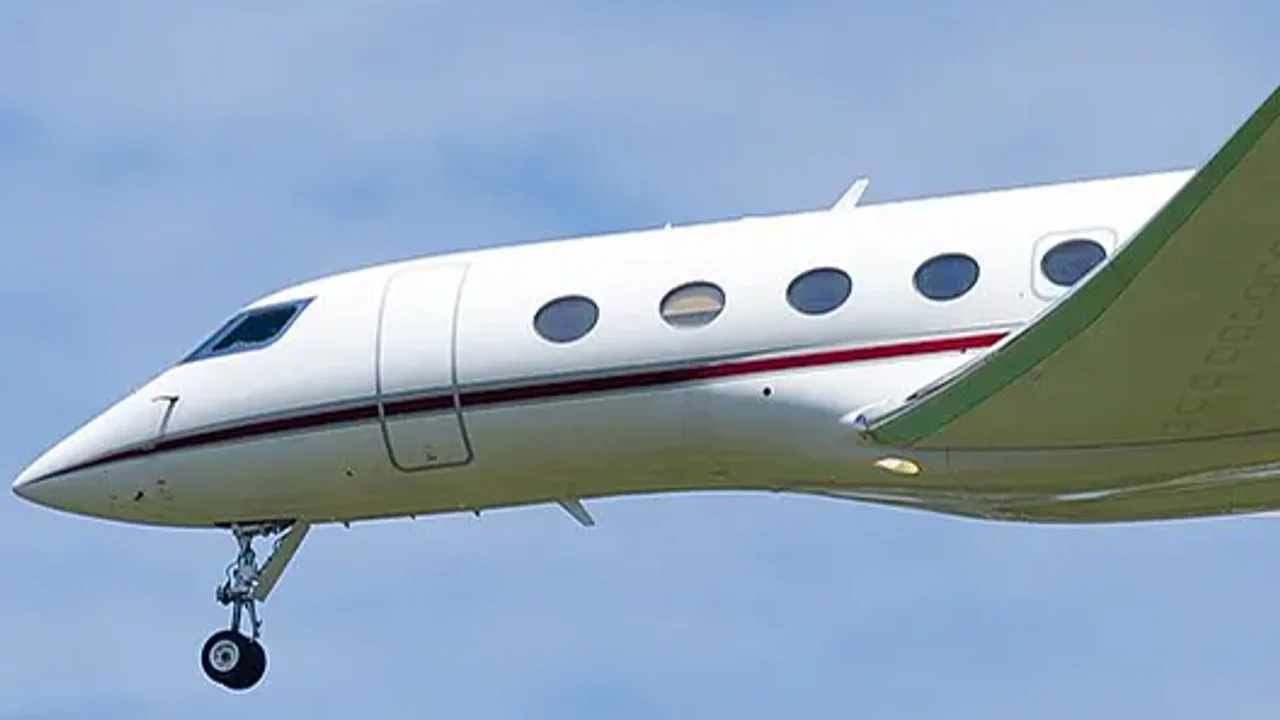
A wedding party can charter a private jet to fly guests to a destination wedding, move the bridal party between events or send the couple off on their honeymoon. Most private jets seat 4 to 16 passengers, so larger groups split across several jets. Book early, plan baggage for dresses and suits, and remember that only the operator may serve alcohol on board.
Key takeaways
- Three common uses: flying guests to a destination wedding, moving the wedding party, and the couple's getaway.
- Group size drives the aircraft. Heavy jets seat about 10 to 16; bigger groups split across jets or charter an airliner.
- Book early, especially for peak wedding months and popular destinations.
- Plan for wedding cargo: dresses, suits, gifts and decorations take space, and sparklers are forbidden on aircraft.
- Champagne is fine if the operator serves it.
How do wedding parties use private jets?
Most wedding charters fall into one of three types.
- Flying guests to a destination wedding. The couple, family or wedding party fly together to a resort in the Caribbean, Mexico, Europe or a ski town, often round trip.
- The getaway flight. The couple leave the reception for their honeymoon, or for a first night somewhere special, on a light or midsize jet.
- Logistics for the wedding party. Bringing grandparents or key guests who would struggle with airline travel, or moving the bridal party between a rehearsal dinner and the venue in another city.
Each has a different aircraft choice and budget. For general group planning, see our guide to event and group aircraft charters, which explains how to size and split larger groups.
How much does a wedding charter cost?
Here are estimates for typical wedding trips, using the same method as our private jet charter cost estimator. They include landing and handling fees, crew overnights for multi-day trips, and US taxes or international fees, but not catering, de-icing or extras.
| Trip | Aircraft | Estimated total | Per person |
|---|---|---|---|
| Couple's getaway, Van Nuys to Las Vegas, one way | Light jet, 2 passengers | $7,700–$13,700 | $3,900–$6,800 |
| Couple's getaway, Teterboro to Palm Beach, one way | Light jet, 2 passengers | $17,300–$32,100 | $8,700–$16,100 |
| Miami to Nassau and back, two nights away | Light jet, 6 passengers | $26,900–$40,700 | $4,500–$6,800 |
| Teterboro to Aspen, one way | Super midsize jet, 8 passengers | $42,200–$79,700 | $5,300–$10,000 |
| Van Nuys to Cabo and back, three nights away | Heavy jet, 12 passengers | $73,300–$114,400 | $6,100–$9,500 |
One-way prices include the aircraft's empty return, which most operators charge unless it has another booking. On multi-day trips, many operators bill a minimum of about two flight hours per day the aircraft waits for you, which is why short round trips with several nights away cost more than the flying time alone. Our guide to one-way private jet charter explains how to reduce empty-leg costs.
How many guests fit on a private jet?
Typical charter seating by class, from the aircraft data behind our tools:
| Class | Typical seats | Good for |
|---|---|---|
| Light jets | 6–8 | The couple's getaway, small family groups |
| Midsize jets | 7–9 | The bridal party or close family |
| Super midsize jets | 8–10 | Wedding party on longer routes |
| Heavy jets | 10–16 | A larger wedding party or family group |
Seats are not the only limit. Wedding trips carry more baggage than most, and a full cabin may leave little room for garment bags, gifts and decorations. Larger groups usually charter two or more jets, or an airliner-size aircraft flown by an airline. Our group charter guide compares the options and explains when an airliner makes sense.
Planning the wedding cargo
Tell the broker exactly what you are bringing when you request quotes.
- The dress. Ask for an aircraft with a hanging closet, or with space to lay a garment bag flat. On smaller jets, the dress may need to travel folded or across a seat, so ask your dress shop how to pack it.
- Suits and outfits. Garment bags take space; count them along with suitcases.
- Gifts, favors and decorations. Bulky boxes may need their own space in the hold.
- Flowers and the cake. Usually best sourced at the destination; if you must bring them, discuss temperature and space with the operator.
- Sparklers and poppers. The FAA's PackSafe guidance says all fireworks, no matter how small, are forbidden in carry-on and checked baggage. Buy them at the destination.
Our guide to private jet baggage limits explains how hold space and weight are checked.
Champagne, catering and celebrations on board
A celebration on board is easy to arrange, within the rules.
- Alcohol. Under 14 CFR 135.121, passengers on a charter may drink only alcohol that the operator serves, and the operator may not serve anyone who appears to be intoxicated or let them board. Order champagne and drinks with the catering rather than bringing your own bottles to drink.
- Food. Light dishes and finger food work best on short flights; see our private jet catering guide.
- Decorations. Small touches such as flowers or a cake can usually be arranged with notice. Ask the operator before bringing anything that could mark or damage the cabin, such as confetti or glitter.
- Photos. Many couples want photos with the aircraft. Ask the FBO and operator in advance; ramp access is controlled, and a photographer may need an escort.
Flying guests to a destination wedding
Destination weddings add international rules and longer flights.
- Passports. Every guest needs a valid passport for international destinations, including children. See what ID you need to fly private.
- Customs. The aircraft clears customs at the destination and again on return; our guide to international private jet travel covers the process.
- Range. Caribbean and Mexican resorts are within light or midsize jet range from much of the US. Europe usually needs a heavy or long-range jet; see flying private to Europe.
- Small island airports. Some resort islands have short runways, which may limit the aircraft size. See private jets to the Caribbean.
When should you book a wedding charter?
As early as you can, once the date and the guest list are firm. Peak wedding months and holiday weekends are busy, and popular destinations can be busy too. Larger aircraft are less plentiful than light jets, so a heavy jet for a big group needs more notice.
Practical tips:
- Confirm the guest list first. The aircraft choice depends on the number of passengers and their bags.
- Get the cancellation terms in writing, in case the date or guest count changes.
- Plan the timeline. Leave slack between landing and the first event, especially for international arrivals.
- Name the operator. Your quote should state which certificated operator will fly the trip; see how to verify a Part 135 charter operator.
Backup plans for the big day
Build slack into the schedule, because weather and maintenance can delay any flight.
- Fly in a day early. Arriving the day before the rehearsal dinner protects the wedding from a late departure.
- Ask about replacement aircraft. If the booked aircraft has a problem, ask how the operator or broker would source a replacement, and what happens to the price.
- Know the weather risks. Hurricane season in the Caribbean, winter storms in ski towns and summer thunderstorms can all affect timing. Check the cancellation and weather terms in the contract.
- Keep a contact list. Share the crew's, the FBO's and the broker's contact details with the wedding planner and a family member.
Who pays: hosts, guests or a mix?
There is no single rule, so agree on it early. Some couples or families charter one aircraft for the wedding party and invite guests aboard as their gift. Others share the cost among guests who choose to fly together.
If guests are splitting the cost, keep the arrangement private among friends and family, and pay the broker or operator directly. A charter must be booked by one customer and paid for as a whole; seats on a private charter cannot be advertised or sold to the public. If you are unsure, ask the broker how to structure the booking.
Can an empty leg work for a honeymoon?
Sometimes. An empty leg is a repositioning flight that operators sell at a discount, and it can suit a couple with flexible plans. The catch is that the route and time are set by the operator's schedule and can change, which is risky for a wedding day itself. For a honeymoon with some flexibility, it can be good value; see empty leg flights explained and our current empty legs.
Plan your wedding flights
Tell us the date, the destination, the number of guests and what you are bringing when you request a quote. We will match the aircraft to your group and baggage, name the operator on your quote and arrange catering and champagne with them before the big day.