

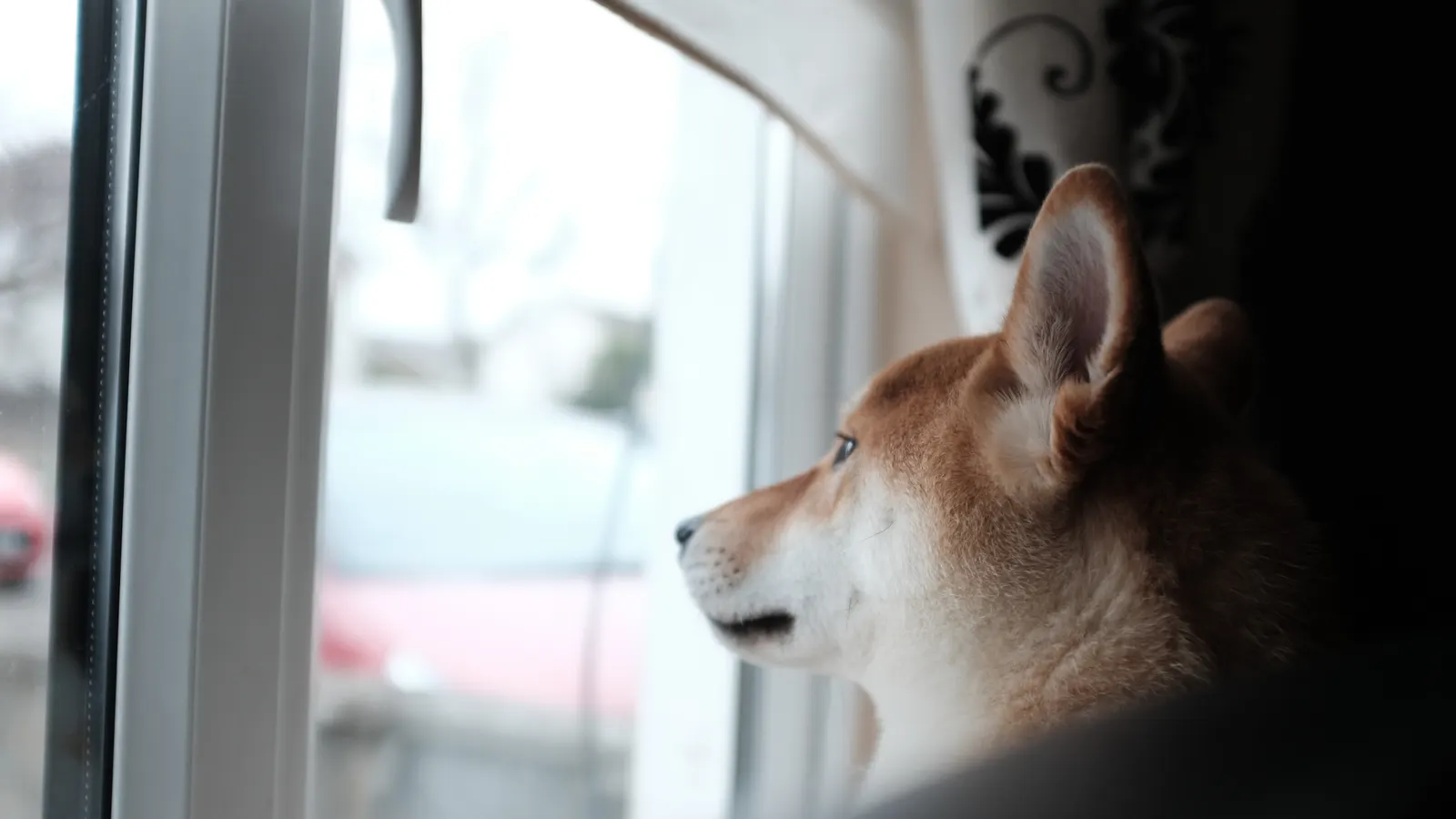
Yes, you can usually fly privately with your pet in the cabin. Many charter operators accept dogs and cats sitting with their owners, with no cargo hold and no airline carrier rules. The operator and captain have the final say, so declare every animal when you book. Domestic trips need little paperwork; entering the US, UK, EU or Hawaii requires specific documents that can take weeks or months to prepare.
Key takeaways
- Pet policies are set by each operator and the crew, not by a single industry rule. Declare breed, size and weight before the aircraft is confirmed.
- Within the mainland US, the destination state sets pet health rules. Hawaii has a strict rabies-free entry program.
- Every dog entering the US needs a CDC Dog Import Form receipt, a microchip and to be at least 6 months old, under CDC rules as of October 2026.
- Pets entering Great Britain must arrive with an operator approved to carry them; EU countries require an animal health certificate endorsed by USDA within 10 days of arrival.
- Book early, ask about cleaning charges, and plan the trip around your pet's routine.
Can you travel on a private jet with a dog?
Yes. Most charter operators let dogs ride in the cabin with their owners, but the operator and captain decide, so declare breed and weight early. Many ask for a carrier or leash for takeoff and landing. Bring rabies records; dogs entering the US need a CDC Dog Import Form receipt, a microchip and a minimum age of 6 months.
The same applies to cats and most other small pets. Unlike airlines, charter operators do not run a standard pet program with set carrier sizes and fees. Each operator decides, aircraft by aircraft, and the captain has final authority on the day.
What operators typically consider:
- Species, size and number. Dogs and cats are routinely accepted. Very large dogs, several animals or other species may need a larger aircraft or special approval.
- The aircraft. Some aircraft owners may not allow animals on their jet at all, because they also fly on the jet. A light jet cabin is compact, so a large dog may be more comfortable in a midsize jet or larger. Our guide to private jet sizes compares cabins.
- Crew allergies and other passengers. On a shared or empty-leg flight, other passengers' needs come into it too.
- Behavior. Most operators expect pets to be calm, house-trained and under control. Some ask that smaller pets travel in a carrier during taxi, takeoff and landing, and that large dogs stay on a mat or blanket on the floor.
Because policies differ, the safest approach is to give your advisor the full details when you request a quote: number of animals, species, breed, weight and whether they will travel in a carrier. We then shortlist aircraft whose operators accept them, rather than discovering a "no" after booking.
Crate or cabin: how do pets travel on a private jet?
Most pets travel loose in the cabin or in a soft carrier at their owner's feet. There is no cargo hold option in the airline sense; baggage holds on business jets are not designed for animals, and operators do not put pets there.
| Situation | Typical arrangement | Ask the operator |
|---|---|---|
| Small dog or cat | Soft carrier on the floor or on a seat during takeoff and landing; lap or seat in cruise if allowed | Whether pets may sit on seats |
| Medium or large dog | On a blanket or mat on the cabin floor, on a leash | Whether a larger aircraft is needed |
| Several animals | Carriers or crates, sometimes a dedicated seat row | Any limit on number |
| Anxious or reactive pet | Familiar crate, positioned away from the door | Whether a crate fits through the door and aisle |
If you plan to use a hard crate, measure it and send the dimensions: business jet doors and aisles are narrower than they look, and a crate that fits a car may not fit the cabin.
What documents does a pet need for a US domestic flight?
For flights within the mainland US, the requirements come from the destination state, not from a federal pet travel rule. The USDA APHIS interstate pet travel page states that APHIS does not regulate owners moving their pets between states and that the destination state or territory sets the requirements, which may include a health certificate or updated vaccinations. Contact the State Veterinarian's office in the destination state to check.
In practice, many owners carry:
- A current rabies vaccination certificate.
- A recent certificate of veterinary inspection (health certificate) from their vet, if the destination state or the operator asks for one.
- The pet's microchip number and vet contact details.
Hawaii is the exception that needs months of planning. Hawaii is rabies-free and runs a strict entry program. To qualify for its 5-Day-or-Less program and release at the airport, Hawaii's Animal Quarantine Station requires, among other things, two rabies vaccinations given more than 30 days apart, a microchip, a passing FAVN rabies antibody test followed by a 30-day waiting period, and all documents submitted at least 10 days before arrival. Arriving before the wait is complete means quarantine. Ask your advisor which Hawaiian airport the operator can use, because airport release for pets is arranged through the state's program.
What are the rules for bringing a dog into the United States?
Since the CDC's updated dog import rules took effect, every dog entering or returning to the US must meet the same baseline requirements, including US pet dogs coming home from a trip. As of October 2026, the CDC's dog importation rules require that each dog:
- Has a CDC Dog Import Form receipt, submitted online for each dog. The receipt is valid for 6 months and can be shown on paper or on a phone.
- Is at least 6 months old at the time of entry.
- Has a microchip that can be read by a universal scanner.
- Appears healthy on arrival.
For dogs that have only been in rabies-free or low-risk countries in the previous 6 months, the CDC says the Dog Import Form is the only document required. So a dog returning from a weekend in Canada or a summer in the UK has a relatively simple path, provided the form is filed before travel.
Dogs that have been in a high-risk country for dog rabies in the past 6 months face much stricter rules, including rabies vaccination, additional forms and, in some cases, a rabies antibody titer. The CDC's FAQ explains that a dog vaccinated in the US needs a USDA-endorsed Certification of U.S.-Issued Rabies Vaccination form and can enter at any port, while a dog vaccinated abroad can only enter at a US airport with a CDC-registered animal care facility where it has a reservation. That last rule can determine which US airport your private flight lands at first. Use the CDC's Dog Importation Navigator well before the trip, and tell your advisor early.
Cats are simpler. The CDC says cats do not need proof of rabies vaccination to enter the US, but they must appear healthy, and your destination state may require vaccination. CDC recommends that all cats be vaccinated against rabies.
Can you fly a pet to the UK or Europe on a private jet?
Yes, and private aviation is one of the easiest ways to do it, but the paperwork is strict and timing matters.
Great Britain
The UK government's pet travel rules require that dogs, cats and ferrets:
- Are microchipped before their rabies vaccination.
- Have a rabies vaccination given at least 21 days before travel.
- Travel with a pet travel document from a vet (the type depends on where you travel from).
- For dogs, have a tapeworm treatment given no less than 24 hours and no more than 5 days before arrival.
- Arrive on an approved route, except when travelling within the UK or from Ireland.
For private flights, the approved route requirement means the aircraft operator must be authorized by the Animal and Plant Health Agency (APHA) to carry pets into Great Britain, and the arrival airport must handle pet checks. Not every operator holds that approval, and not every airport can process pets, so this narrows the aircraft and airport choice. A pet that arrives without the right documents or on an unapproved route can be refused entry or put into quarantine for up to four months.
European Union
For pets coming from the US, the European Commission's rules require:
- A microchip, implanted before the rabies vaccination.
- A rabies vaccination given when the animal is at least 12 weeks old, valid from 21 days after the primary vaccination.
- An EU animal health certificate, issued by an accredited vet and endorsed by USDA APHIS, which is valid for 10 days from issue until the pet's documentary and identity check on arrival.
- Entry through a travellers' point of entry designated by the EU country.
- No more than 5 animals per non-commercial movement.
Because the US is a listed country, the EU does not require a rabies antibody titer test for pets coming from the US. The 10-day certificate window is the part most likely to cause problems: plan the vet appointment and USDA endorsement backward from your departure date, and allow for weekends.
Other destinations, such as the Caribbean, Mexico and the Middle East, each set their own rules. APHIS publishes country-by-country export requirements, and a USDA-accredited vet can guide you through them.
What does it cost to fly a pet privately?
There is no standard pet fee in charter. Many operators do not charge for pets at all; others charge a cleaning fee, or pass on the cost of extra cleaning if the cabin needs it after the flight. Policies vary too much to quote a typical figure, so ask your advisor to confirm in writing whether any pet-related charge applies.
Other costs to budget for are outside the charter itself: vet visits, health certificates, USDA endorsement, rabies titer tests where required, and the Hawaii program fees. On the charter side, the main cost driver is aircraft size. If your dog needs floor space, a midsize jet costs more per hour than a light jet; our charter flight cost calculator shows the difference.
Tips for a calm flight with your pet
- Declare early and accurately. Breed, weight and number of animals, at the quote stage.
- Bring familiar things. A blanket, bed or toy from home helps a nervous animal settle.
- Exercise before departure. A long walk before you leave for the airport helps dogs rest on board.
- Feed lightly. A small meal a few hours before the flight is easier on most pets than a full stomach. Bring water and a bowl.
- Use the FBO's grass area. Some private terminals have a grass area for a last walk; ask the front desk. Our guide to what an FBO is explains how private terminals work.
- Bring cleaning supplies. Pads, wipes and bags in your carry-on help avoid cleaning charges.
- Ask your vet about anxiety. Talk to your vet before giving any calming medication, especially for flights at altitude.
- Keep documents in the cabin. Paper copies of every certificate and the CDC receipt, plus digital backups.
Checklist before you book
- Confirm the operator accepts your pet on the specific aircraft, in writing.
- Check entry requirements for the destination and for the return to the US.
- Book vet appointments backward from departure, allowing for any 10-day or 21-day windows.
- File the CDC Dog Import Form before any return flight to the US.
- Ask about cleaning fees and any rules on pets on seats.
- Pack the pet's carrier, leash, food, water and documents in the cabin.
To plan the flight itself, estimate the journey with the flight time calculator or browse aircraft in the aircraft hub. When you are ready, request a quote and include your pet's details, and we will only put forward aircraft whose operators have confirmed they can take them.