

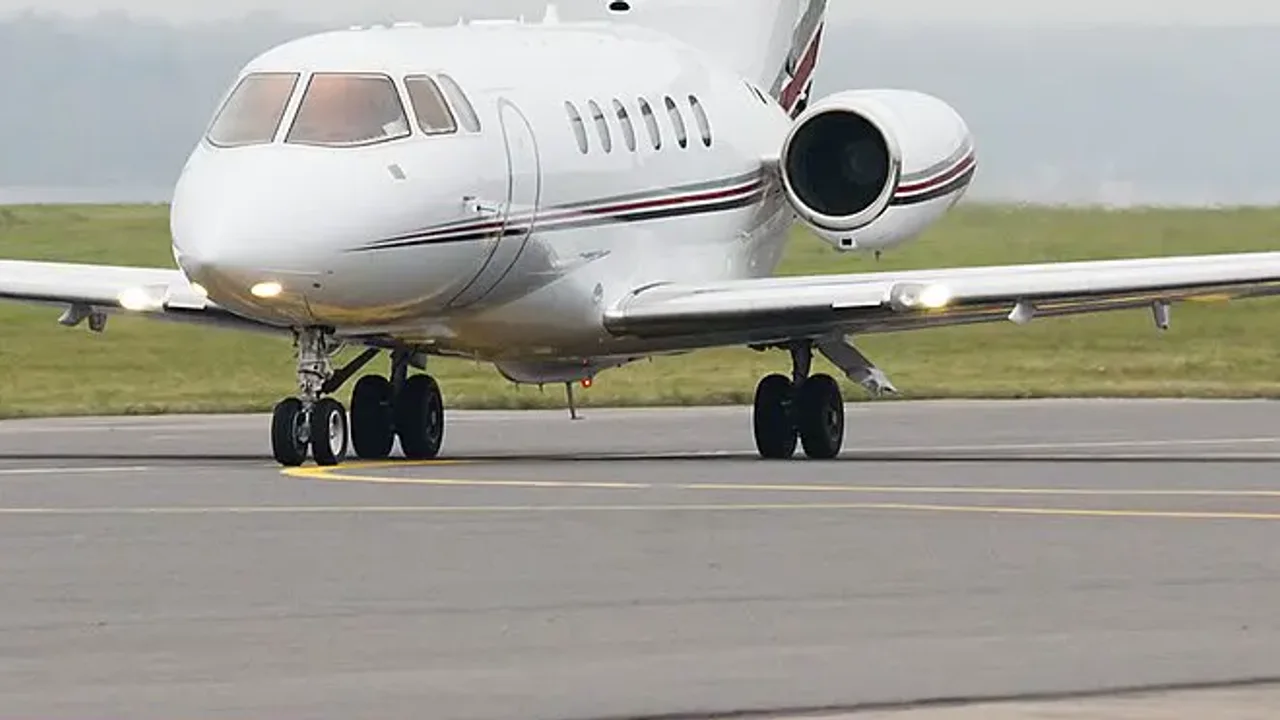
Most private charter passengers do not go through a TSA checkpoint: they board at a private terminal, the FBO, and walk to the aircraft. Federal rules still apply. Charter operators flying aircraft over 12,500 pounds must run TSA security programs, and passengers are screened on the largest aircraft, on flights boarding from an airport's secure area and on every flight into or out of Washington Reagan National.
Key takeaways
- No checkpoint for most charters. Passengers usually board at the FBO without TSA screening.
- Operators are still regulated. Charter aircraft over 12,500 pounds must operate under a TSA "twelve-five" security program.
- Screening applies in three cases: aircraft over 100,309.3 pounds or with 61 or more seats, flights that board from a secure area, and flights to or from Reagan National (DCA).
- Hazardous materials rules apply on every flight, including limits on lithium batteries, vapes and flammables.
- Weapons are prohibited on your person unless the operator authorizes them.
Do you go through TSA on a private jet?
Usually not. On a typical charter, you arrive at the FBO, the private terminal, meet the crew and walk to the aircraft. There is no TSA checkpoint, no body scanner and no bag X-ray. The crew or FBO staff confirm who you are against the passenger list, and your bags are loaded by the crew.
That works because a private charter is different from an airline flight. TSA's definitions in 49 CFR 1540.5 describe a private charter as one where a single charterer books the whole aircraft, invites the passengers and pays the full cost, and the flight is not advertised to the public. The passengers are known to the person who booked the aircraft, and the operator has their names before departure.
For how boarding at a private terminal works, see what an FBO is.
What TSA rules apply to charter operators?
TSA regulates charter operators rather than screening their passengers in most cases. Under 49 CFR 1544.101, an operator flying an aircraft with a maximum certificated takeoff weight of more than 12,500 pounds in scheduled or charter service must adopt and carry out a "twelve-five" security program. That covers most business jets from light jets upward.
The twelve-five program requires the operator to meet a set of TSA rules, including:
- A security coordinator responsible for the program.
- Fingerprint-based criminal history checks for flight crew.
- Rules on law enforcement officers and weapons carried on board.
- Security training for crew and contingency plans for threats.
The detailed contents of these programs are sensitive security information and are not public. In practice, they are one reason operators ask for passenger names in advance and may check ID at boarding; see what ID you need to fly private.
When are private jet passengers screened?
Three situations bring screening into a private flight.
1. Very large aircraft
Under the same rule, a private charter falls under a stricter TSA private charter program if the aircraft has a maximum takeoff weight greater than 45,500 kg (100,309.3 pounds) or 61 or more passenger seats. That program includes TSA's rules on screening individuals and their accessible property, including the use of metal detectors and X-ray systems. This affects only the very largest business jets and airliner-size VIP aircraft, so most charter passengers never encounter it.
2. Boarding from a secure area
The private charter program also applies when passengers board from, or arrive into, an airport's sterile area: the part of the terminal beyond the TSA checkpoint. If a charter boards at an airline gate, for example, passengers go through screening first. This is unusual for business jets, which normally use FBOs.
3. Flights into or out of Washington Reagan National
Every general aviation flight into or out of DCA operates under the DCA Access Standard Security Program. Under 49 CFR 1562.23, the operator must:
- Screen every passenger and crew member, plus their property, before boarding.
- Have each passenger and crew member provide TSA with valid government-issued photo ID.
- Depart from an approved gateway airport with no intermediate stops before DCA.
- Carry at least one armed security officer on board, unless a Federal Air Marshal is on board or the aircraft is flying without passengers.
- Obtain an FAA reservation and TSA authorization for each flight.
These requirements are specific to DCA, so ask the operator early whether DCA or another Washington-area airport, such as Dulles, suits your trip better.
What can you bring on a private jet?
More than on an airline, but not everything. Without a TSA checkpoint, the 3-1-1 liquids limit and the checkpoint list of prohibited items do not apply in the same way. You can usually bring full-size toiletries and your own drinks to stock, for example. Other rules still apply on every charter flight:
- Hazardous materials. Federal dangerous goods rules apply to charter aircraft too. The FAA says vapes and e-cigarettes must stay in the cabin and must never be used or charged on board, and spare lithium batteries, flammable liquids, fuel and some aerosols are restricted or forbidden.
- Weapons. Under 14 CFR 135.119, no one on a charter aircraft may carry a deadly or dangerous weapon on or about their person, concealed or not, except authorized officials and people the operator authorizes to carry arms. If you want to bring a firearm in your baggage, ask the operator about its policy well in advance.
- Alcohol. You may drink only alcohol the operator serves; our private jet catering guide explains how to order it.
- Space and weight. Baggage is limited by the aircraft's hold and weight; see private jet baggage limits.
- Customs on international trips. Agricultural products, large amounts of cash and some medicines must be declared on arrival.
The crew has the final say on anything brought on board, so mention unusual items, such as sports equipment, medical oxygen or a pet, when you book.
Is flying private less secure than flying commercial?
It is secured differently, not left unsecured. Airline security is built around screening large numbers of passengers who do not know each other. Charter security relies on knowing exactly who is on board:
- One customer books the whole aircraft and invites the passengers.
- The operator receives every passenger's name before departure, and international flights send passport details to border authorities in advance.
- Crews are background-checked under TSA rules.
- The FBO controls access to the ramp, so only passengers and staff reach the aircraft.
- TSA can require more. Under 49 CFR 1550.7, TSA can require operators of aircraft over 12,500 pounds that are not already under a security program to search aircraft and screen passengers when it notifies them, for example during a specific threat.
Choosing a properly certificated operator matters more than any checkpoint. Our guide to verifying a Part 135 charter operator shows how to check.
What about semi-private and per-seat flights?
Per-seat services sold to the public are not private charters. TSA's definitions treat any charter that is not a private charter as a public charter. Public charters with 61 or more seats, or that board from a secure area, fall under TSA's full program with passenger screening, and smaller public charters on international routes fall under a partial program.
If you are booking individual seats rather than a whole aircraft, ask the provider how security works and whether you will be screened. For a whole-aircraft charter booked through a broker, the private charter rules above apply.
Security when flying private abroad
Do not assume the US rules travel with you. TSA's programs cover US operators and US airports. Airports and governments abroad set their own rules, and some screen every departing passenger, including those on private flights, often in a small security area at the business aviation terminal. Departure procedures also vary with the airport, the size of the aircraft and the destination.
Ask the operator or broker what to expect at each foreign airport on your itinerary, and allow extra time on the first departure from a new country. Keep liquids, batteries and anything unusual easy to reach in case your bags are inspected.
For high-profile travelers, operators and FBOs can often arrange discreet boarding, a vehicle at the aircraft and coordination with personal security staff. Raise these needs when you book, because some airports require advance approval for vehicles or armed security personnel on the ramp.
How security works on the day of your flight
- Send passenger names early, exactly as they appear on each traveler's ID.
- Arrive at the FBO 15 to 30 minutes before departure for most domestic flights, or earlier for international trips and DCA.
- Show photo ID if the crew or FBO asks for it.
- Hand over your bags to the crew, and mention anything unusual.
- Listen to the safety briefing before takeoff, which the pilot must give under FAA rules.
For international trips, also bring every passenger's passport and allow time for customs on arrival; see our guide to international private jet travel.
Planning a charter with security in mind
If you are flying to Washington, carrying unusual items or traveling with a large group, mention it when you request a quote, so the operator can plan screening, airports and timing. To see what your trip costs by aircraft class, use our charter flight cost estimator.