

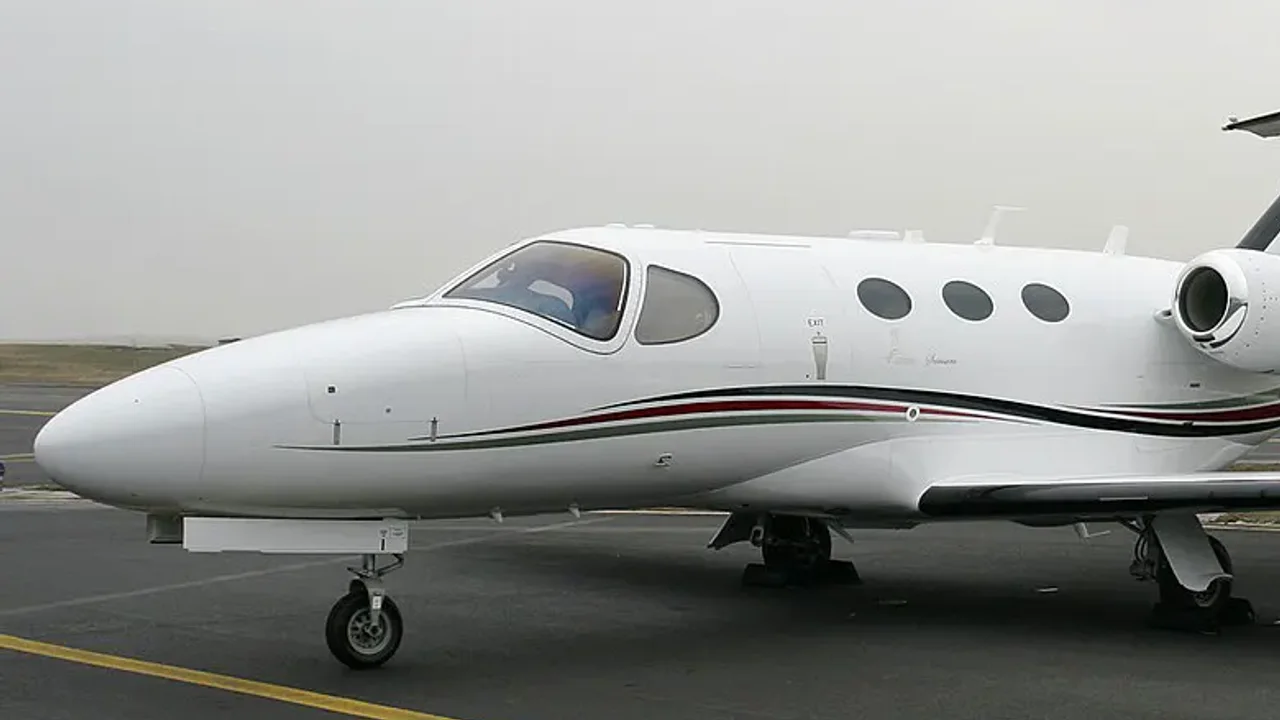
The warning signs of an illegal charter, according to the FAA, are a price that seems too good to be true, no federal excise tax on the bill, no safety briefing, evasive answers, any document that hands you operational control of the flight, and a pilot who coaches you on what to say if an FAA inspector asks. Verify the operator before you pay.
Key takeaways
- An illegal charter is a flight sold for money without the right FAA authority, usually a private aircraft flown under Part 91 instead of by a Part 135 certificated operator.
- The biggest warning sign is a document that makes you responsible for the flight. A real charter customer never takes operational control.
- Missing federal excise tax and a below-market price are two of the easiest signs to spot on a quote.
- The risks are real: less oversight of pilots and maintenance, and insurance that may not pay.
- Report suspected illegal charters to the FAA hotline at 1-866-835-5322.
What is an illegal charter?
An illegal charter is a flight carrying passengers for compensation by a person or company that is not authorized to carry them. In the US, an on-demand charter must be operated by a company holding an FAA certificate under Part 135, with the specific aircraft listed on that certificate. The FAA calls illegal air charter "a serious safety hazard to the traveling public" and keeps a team that investigates rogue operators.
The most common case is an aircraft that is legally allowed to fly only for private use under Part 91, sold to paying passengers. The aircraft may be well maintained and the pilot may be skilled, but nobody has certified the operation to carry the public. Part 135 operators face more frequent FAA checks on their pilots, crews and aircraft, and their pilots must pass regular proficiency checks.
NBAA notes that illegal charter can also involve a legitimate Part 135 company, when it flies a larger aircraft than it is authorized for or operates outside its approved areas. That is why checking the specific aircraft matters as much as checking the company. For the full overview of charter safety, see is private jet charter safe?.
What are the warning signs of an illegal charter?
The FAA lists five red flags on its guide for consumers. Any one of them is a reason to stop and check before you fly:
- Someone tries to give you operational control. The company provides the aircraft and at least one crew member but uses a document, such as a lease, to transfer operational control of the flight to you.
- There is no federal excise tax on the bill. Legitimate operators must charge it on domestic charter flights; our guide to federal excise tax on private jet charter explains how it works.
- The price is too good to be true. Legal operators carry the cost of training, testing, maintenance programs and compliance, so a deal far below the market is suspicious.
- There is no safety briefing or passenger briefing card. Part 135 operators are required to brief passengers before departure.
- The pilot or company coaches you on what to say or do if an FAA inspector meets the aircraft at its destination.
The FAA adds a sixth: evasive answers. Legitimate operators should be open and helpful, and you should be able to see the operator's air carrier certificate. If the operator refuses, look for another one.
Warning signs before you book
Most illegal charters can be caught at the quote stage, before you pay anything. Watch for these signs when you compare offers:
- No named operator. The quote names a brand, an aircraft owner or an LLC, but not the company that holds the Part 135 certificate and will operate the flight.
- No certificate number. NBAA advises asking for the operator's air carrier certificate, or at least its number, and suspecting illegal charter if the operator refuses.
- An aircraft that is not on the certificate. The tail number should appear on the operator's FAA authorization. Our 7-step operator check shows how to look it up in minutes.
- Two separate contracts, one for the aircraft and one for the pilots. This is a classic sign of a sham lease, described below.
- Pressure to pay quickly, by wire or in cash, before you can check anything.
To judge whether a price is realistic, compare it with typical rates. Light jets typically charter for about $4,000 to $5,900 per flight hour and midsize jets for $5,000 to $7,200, before taxes and fees; our private jet cost calculator estimates the full trip by aircraft class.
Warning signs on the day of the flight
Some signs only appear at the airport or on board. If you notice these, it is reasonable to ask questions before departure:
- No briefing. The crew does not explain seat belts, exits and emergency equipment, and there is no briefing card in the cabin.
- Coaching. Someone tells you to describe the trip as a flight with friends, or to say you are not paying.
- A different aircraft or crew from the one on your quote, with no written notice. Operators sometimes substitute aircraft for good reasons, but the replacement should also be on a Part 135 certificate.
- Payment collected on the ramp, or a request to settle the bill with the pilot.
- A pilot who is also the owner and the salesperson, with no company behind the flight.
After the trip, NBAA notes, passengers may see further signs on the invoice, such as no excise tax. Keep your quote, contract and receipt in case you need them later.
Common illegal charter schemes
Illegal charter usually hides behind a legal-sounding arrangement. These are the forms the FAA and NBAA describe most often.
Sham dry leases
A dry lease is the rental of an aircraft without a crew, and it is legal when the person renting really controls and is responsible for the flight. The FAA warns about the "sham dry lease" or "wet lease in disguise", where one or more parties provide both the aircraft and at least one crew member to a passenger, for example through two separate contracts, or a lease that only works if you also hire a particular pilot. If you just want to be flown somewhere, you should not be signing an aircraft lease.
Excessive cost-sharing and timesharing
Federal rules allow some private flights to recover costs. Under 14 CFR 91.501, timesharing and similar arrangements may charge only listed expenses, such as fuel, crew travel, landing fees and catering, plus an extra charge equal to the fuel cost. NBAA notes that charging more than these allowances, or using informal deals with friends and colleagues that exceed them, can turn a private flight into an illegal charter.
Private pilots sharing expenses
A private pilot cannot fly passengers for hire. Under 14 CFR 61.113, a private pilot may share fuel, oil, airport expenses and rental fees pro rata with passengers, but the FAA says the pilot and passengers must have a genuine common purpose for the trip and the pilot cannot offer the flight to the public. A pilot advertising seats or flights is a warning sign.
Brokers acting as operators
A broker arranges flights with certificated operators; it does not operate them. NBAA lists a broker that appears to be the actual air carrier, rather than an agent for the operator or the customer, as another form of illegal charter. A legitimate broker tells you which operator will fly your trip. Our guide to broker vs operator explains the difference, and the charter contract red flags guide shows how this should appear in your paperwork.
Why does illegal charter matter to passengers?
Because the safety system, the insurance and the legal protections behind a charter flight may all be missing.
- Less oversight. Part 135 operators have FAA-approved training, maintenance and operating procedures, and their pilots must hold a commercial or airline transport pilot certificate. An illegal operation has not been checked against those standards.
- Insurance gaps. NBAA warns that a non-commercial operator usually does not carry commercial insurance, and that an insurer may refuse a claim if it decides the flight was really for hire.
- Your own liability. If you sign documents taking operational control, you may take on the legal responsibilities of the operator without realizing it.
- Tax and customs problems. NBAA notes that the IRS can pursue unpaid excise tax on commercial flights, and that commercial flights owe additional customs fees.
The FAA does pursue rogue operators. In January 2023, for example, it proposed a civil penalty of $1,037,478 against a Kansas company it alleged had conducted 78 charter flights without proper FAA certification or qualified pilots, and its Safe Air Charter page reports more than $18 million in penalties levied against rogue operators.
How do you report an illegal charter?
Report it to the FAA. The FAA's Safe Air Charter page lists these channels:
- FAA hotline: hotline.faa.gov or 1-866-835-5322.
- Email: the Safe Air Charter team at safeaircharter@faa.gov.
- Local office: your nearest Flight Standards District Office.
Include what you know: the company name, the aircraft's tail number, the date, the airports and copies of the quote, contract and payment record. If you paid money for a flight that did not happen, also report it as fraud; the contract red flags guide lists where to report scams.
How to book a legal charter
A few checks before you pay remove almost all of the risk.
- Get the operator's legal name and the aircraft's tail number in writing on the quote.
- Check both on the FAA's list of certificated Part 135 operators and their authorized aircraft.
- Read the contract for any lease, operational control or separate pilot agreement, and do not sign one.
- Look for excise tax and a realistic price on the quote.
- Pay the operator or a known broker by a traceable method, never cash on the ramp.
When you book through Ambition Jets, every flight we arrange is operated by an FAA Part 135 certificated carrier that meets our safety standards, and your quote and charter agreement name the operator. Ask us for the aircraft registration and check both yourself. Request a quote with your route and dates, and ask us anything about the operator before you confirm.